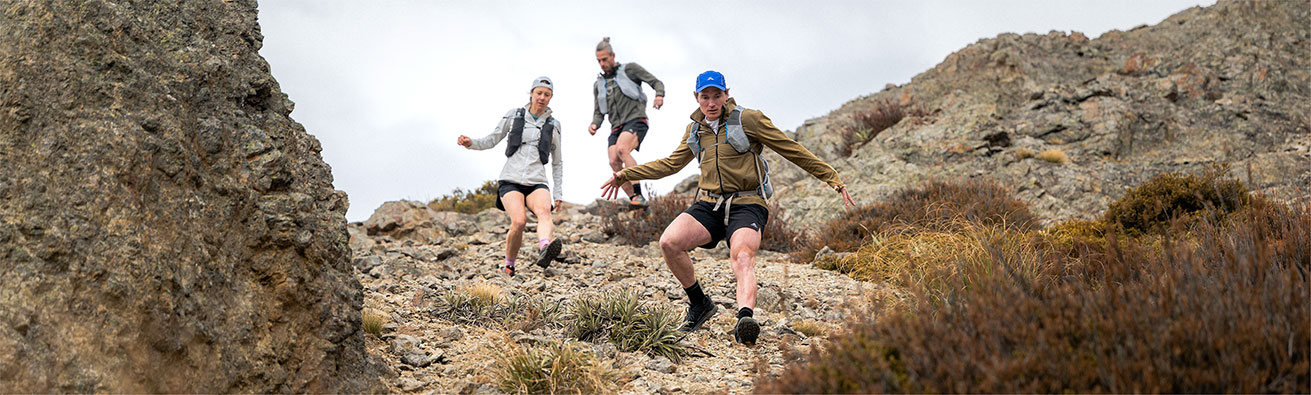
Trail running offers freedom you won’t find on roads. Bush tracks, alpine ridgelines, and backcountry trails will take you through some of the world’s most incredible landscapes, exposing you to rapidly changing weather, uneven terrain and fluctuating temperatures.
But unlike road running, trail running means spending longer in remote environments where conditions can change quickly. The right trail running clothing and gear help regulate body temperature, manage moisture, reduce the risk of blisters and keep you comfortable when the weather doesn't go to plan.
So, whether you're heading out for your first trail run or refining an established kit, knowing what to wear can make the difference between a comfortable adventure and a tough slog back to the trailhead. From trail running shoes and socks to layering systems, waterproof jackets and essential accessories, here's everything to know before choosing your trail running gear.
Trail Running Shoes: Your Most Important Piece of Gear
Unlike road running shoes, trail running shoes are designed for better grip, stability and protection on uneven terrain. They’re arguably the most important piece of trail running gear you’ll own.
When choosing trail running shoes, look for:
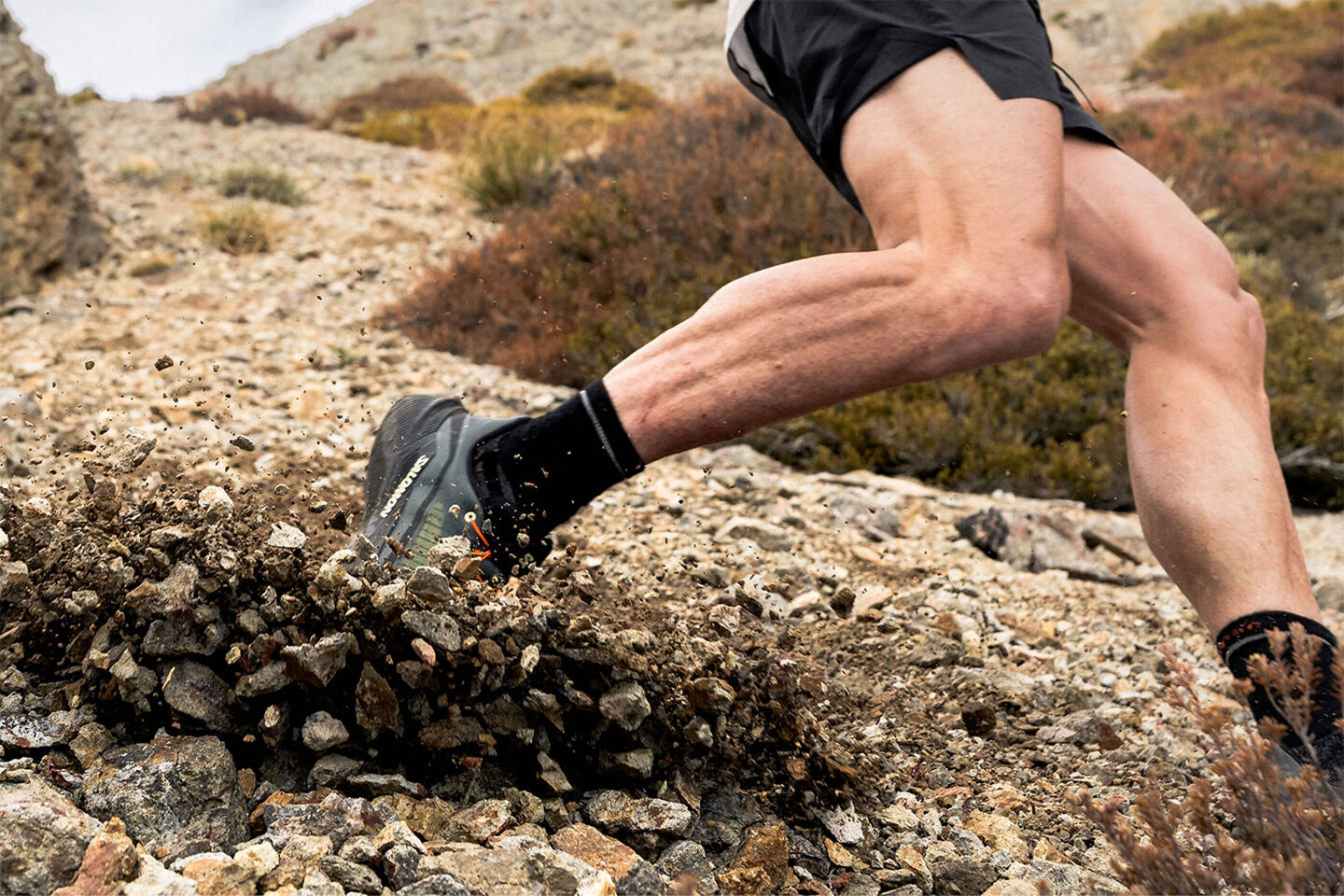
Traction – Most trail shoes feature durable rubber outsoles with lugs that help you grip dirt, rock, roots, and mud. If you’re in wet or rainy conditions, good traction becomes even more important to keep you upright and moving. On soft or muddy trails, it can be harder for your shoe to grip the ground. Opting for deeper lugs on the sole can provide a bit of extra confidence underfoot.
Protection – Many trail running shoes include a reinforced toe and more durable upper materials to protect your feet from rocks and trail debris. There’s nothing worse than having to stop and empty the stones out of your shoe mid-run.
Cushioning – Choosing the right amount of cushioning in your trail running shoes depends on your preferences and terrain. Some runners prefer maximum cushioning for longer distances, while others like a more responsive feel. The cushioning in your shoe is vital to keep you balanced on extended runs and ensures your foot strikes the terrain at the right angle. Shoes with no support leave you vulnerable to foot, ankle, and knee injuries, and getting injured in a remote area is never good.
Fit – A properly fitted trail running shoe can make all the difference on long runs and technical trails. Your shoes should feel secure without choking your feet, especially when running downhill. Too tight and you’ll numb your foot and get black toenails, too loose and they’ll give you some trophy blisters. Find the sweet spot for you, and take your shoes on a short test run before heading out.
Ready to find the perfect pair of men's or women’s trail running shoes?
Choose Trail Running Socks
Trail running socks are specifically designed to help reduce friction, manage moisture and provide support during long runs on uneven terrain. Unlike road running, uneven dirt paths and rocks will cause your feet to shift constantly inside your shoes while trail running. To prevent blisters and give your feet protection from the terrain, use technical socks that hug your foot closely and support vulnerable areas (arch, heel). Similar to your other clothing layers, merino blends and polyester socks are ideal.
Ready to choose? Explore our range of socks to find the pair (or two!) that work for you.
Trail Running Clothing: The Rundown
Most importantly, quality trail running clothing should manage moisture (sweat!) effectively. When running through native bush or climbing elevation in alpine country, staying dry is one of the simplest ways to keep your temperature stable and the adventure enjoyable.
Choose technical fabrics designed to wick (or pull) moisture away from your skin.
Trail Running Top
Your trail running top should be lightweight, breathable, and able to move with your body easily. This makes a polyester and nylon tops an ideal choice, as well as any lightweight merino or merino-blends to regulate your body temperature.
Trail Running Shorts
Your trail running shorts should also be lightweight, have a bit of stretch, and be tough enough to handle a few bumps. Trail shorts made from polyester, nylon, and elastane are great for reducing chafing (a healthy serving of petroleum jelly on affected areas can help too), and they’ll dry quickly if you end up in a puddle that didn’t quite look as shallow as you thought.
Avoid cotton tops and shorts! Although it’s comfy, it’s prone to absorbing moisture and dries slowly, leaving you cold and uncomfortable.
What to Wear Trail Running in Winter
You’ll need to plan your trail run more thoroughly in winter, where conditions on change quickly , particularly in alpine environments where temperatures can be on the colder side. You’ll need to think about your layers more carefully, and manage them while you move, too. Here’s what you’ll need:
- Base layer – Your base layer sits next to your skin and is responsible for moving sweat away from your body. Merino and technical synthetic fabrics are excellent choices for trail running.
- Mid layer – A lightweight fleece or insulated layer can provide extra warmth on cold mornings, alpine trails and winter runs.
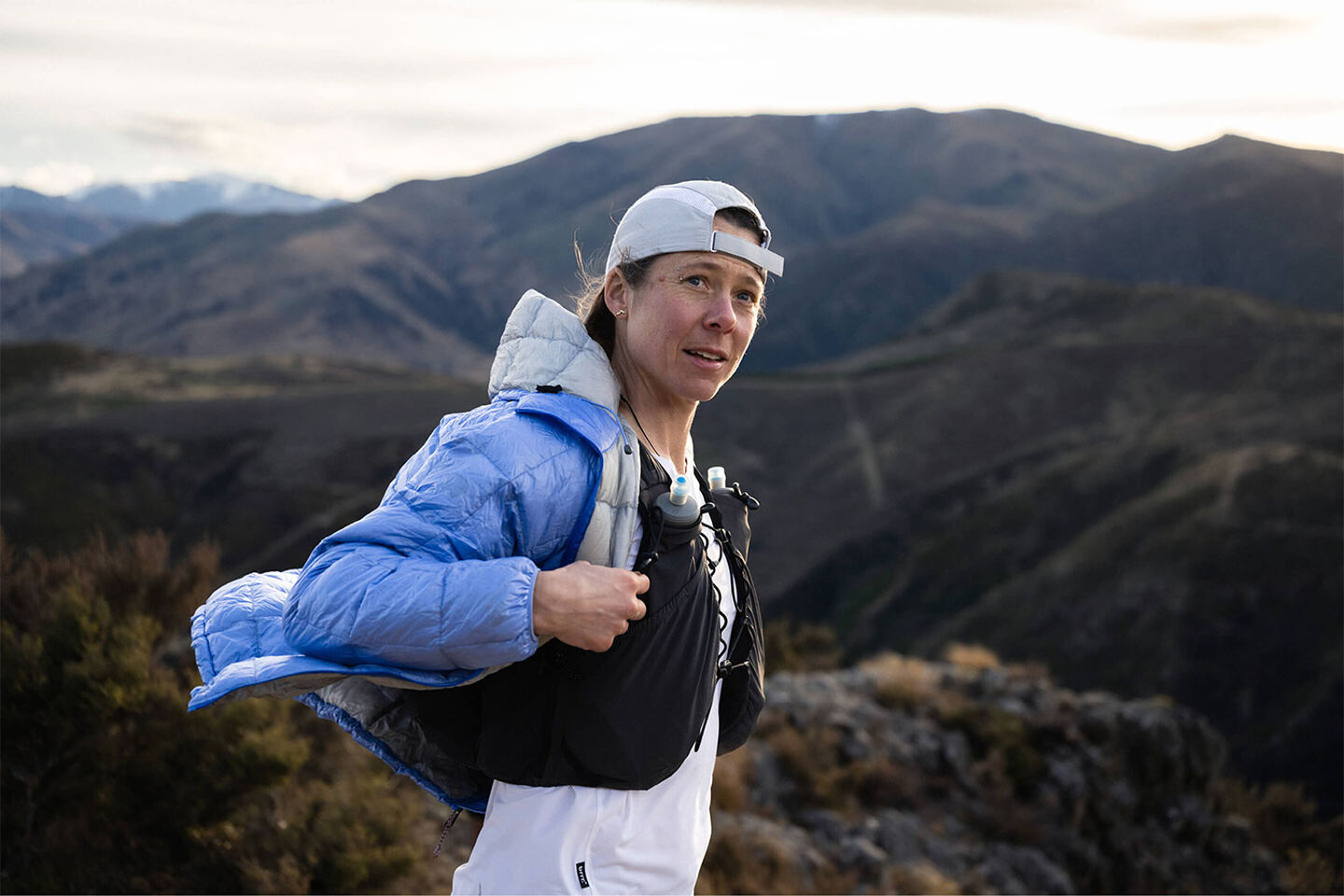
- Outer layer – A lightweight trail running jacket or waterproof shell provides protection from wind, rain and rapidly changing conditions.
PRO TIP: Watch the weather. You’ll likely need to change your layers on your run as you warm up or encounter changing conditions.
Still looking for layering help? Check out our blog on how to layer for winter.
Essential Trail Running Accessories
Your trail running get-up wouldn’t be complete without a few choice accessories.
- Cap – Provides shade and helps to manage sweat from your head on warmer days.
- Sunglasses – Protects your eyes from UV exposure, wind, dust, and insects.
- Headtorch – Useful for early morning, evening, or longer runs where the track is uneven and daylight is limited.
- Gloves – Gloves can make a surprising difference during cold starts or alpine outings. Use a lightweight, breathable pair that you can stash once you warm up.
- Waterproof Jacket – One of the most valuable pieces of gear for tackling New Zealand’s unpredictable weather. It’ll keep you dry and protected from wind.
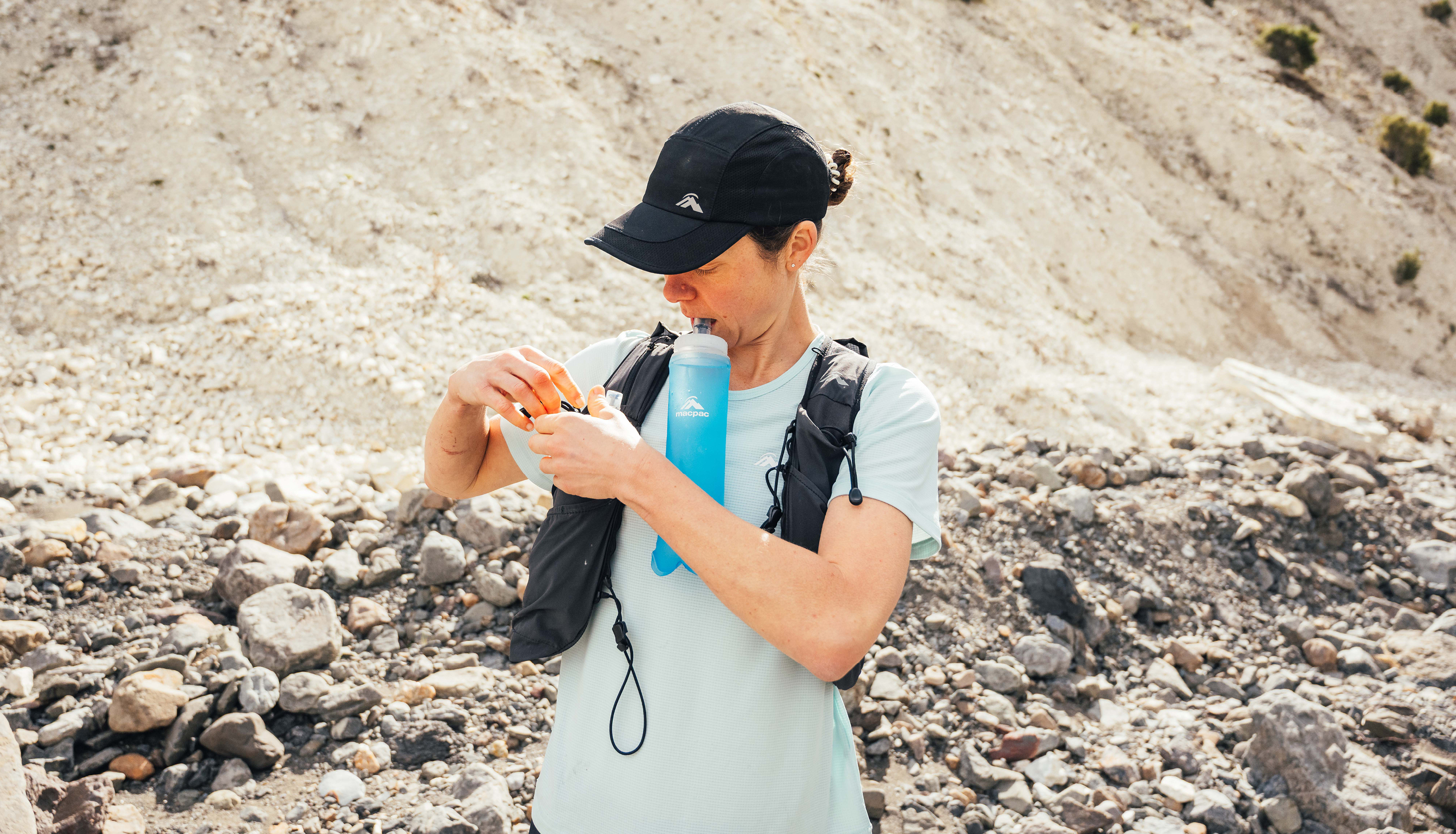
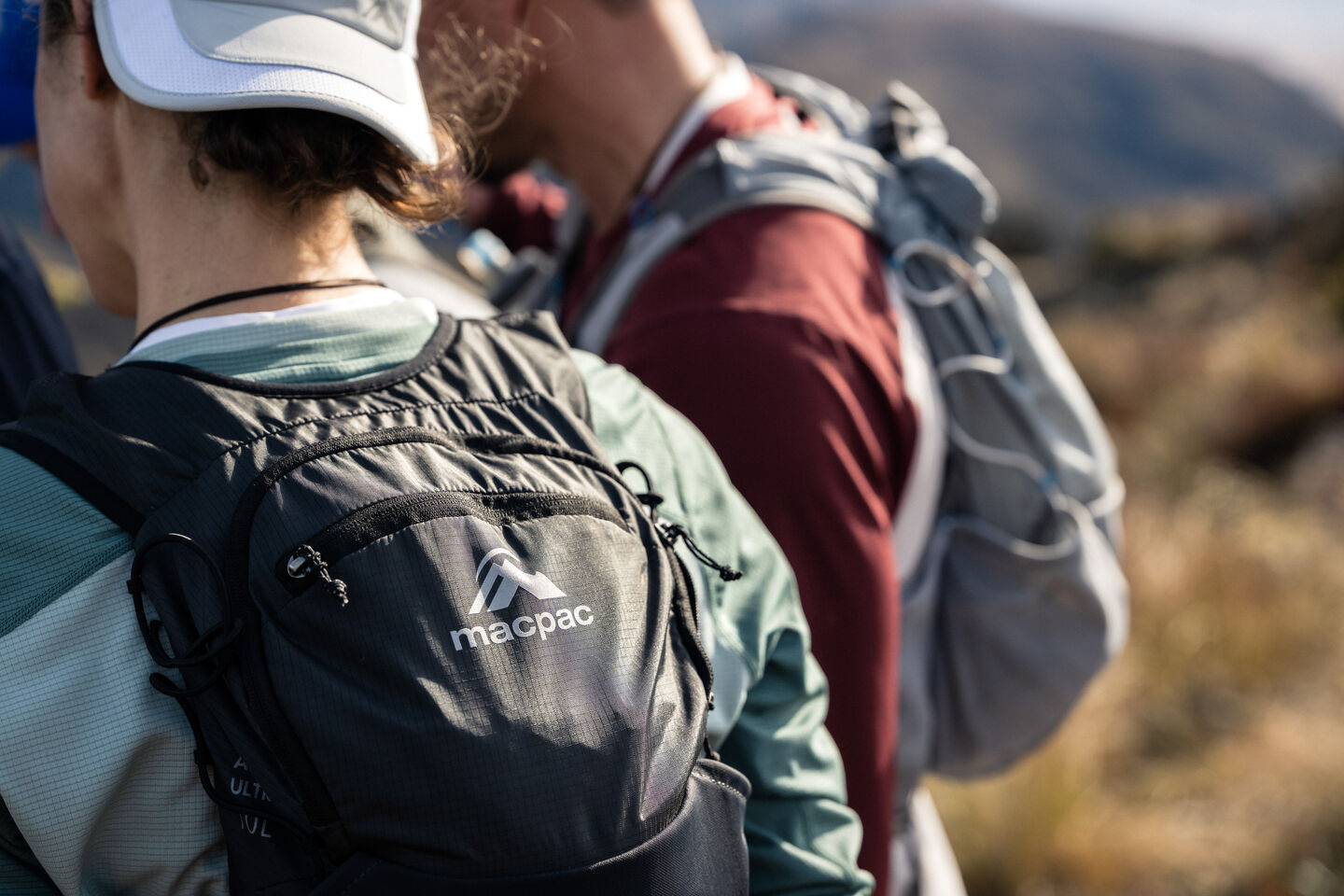
- Hydration Pack or Vest – A hydration pack or vest is one of the most useful pieces of trail running gear for longer runs, allowing you to carry water, nutrition and extra layers comfortably. Trail running is hard work, and you’ll need to replenish your body’s water stocks, especially on a hot day or where clean water is limited.
Choosing Gear for Different Conditions
The best trail running gear should match the conditions you’re up against:
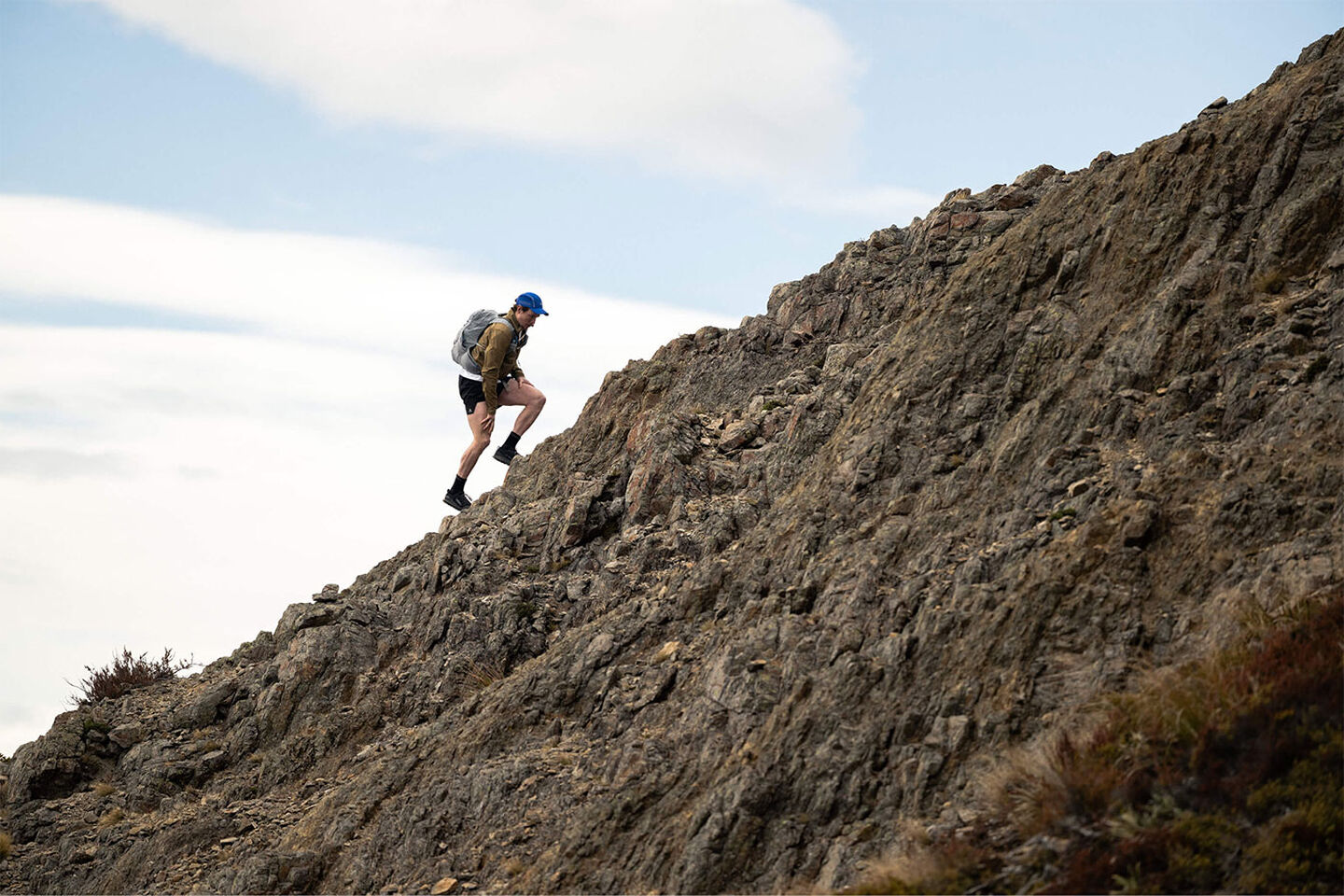
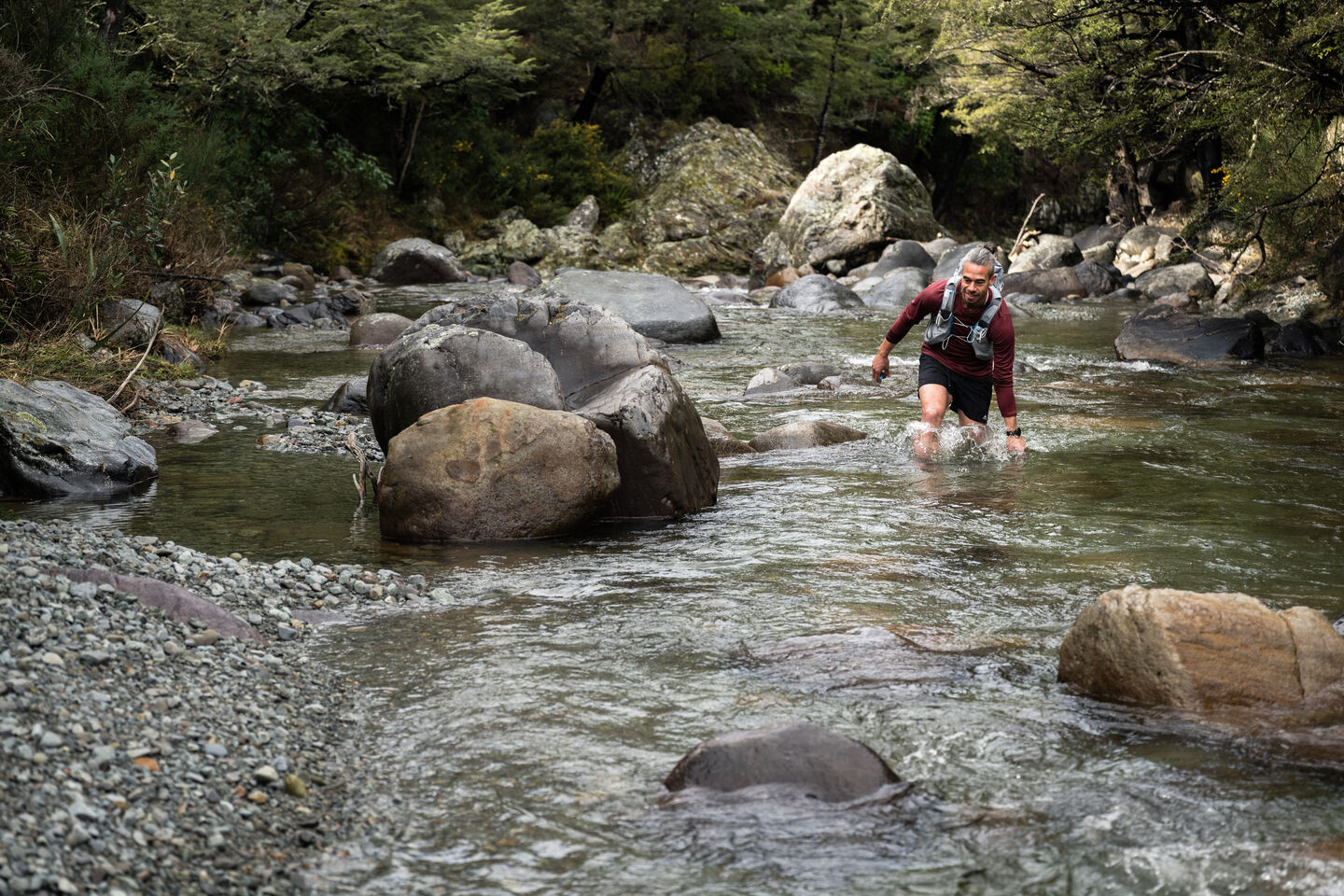
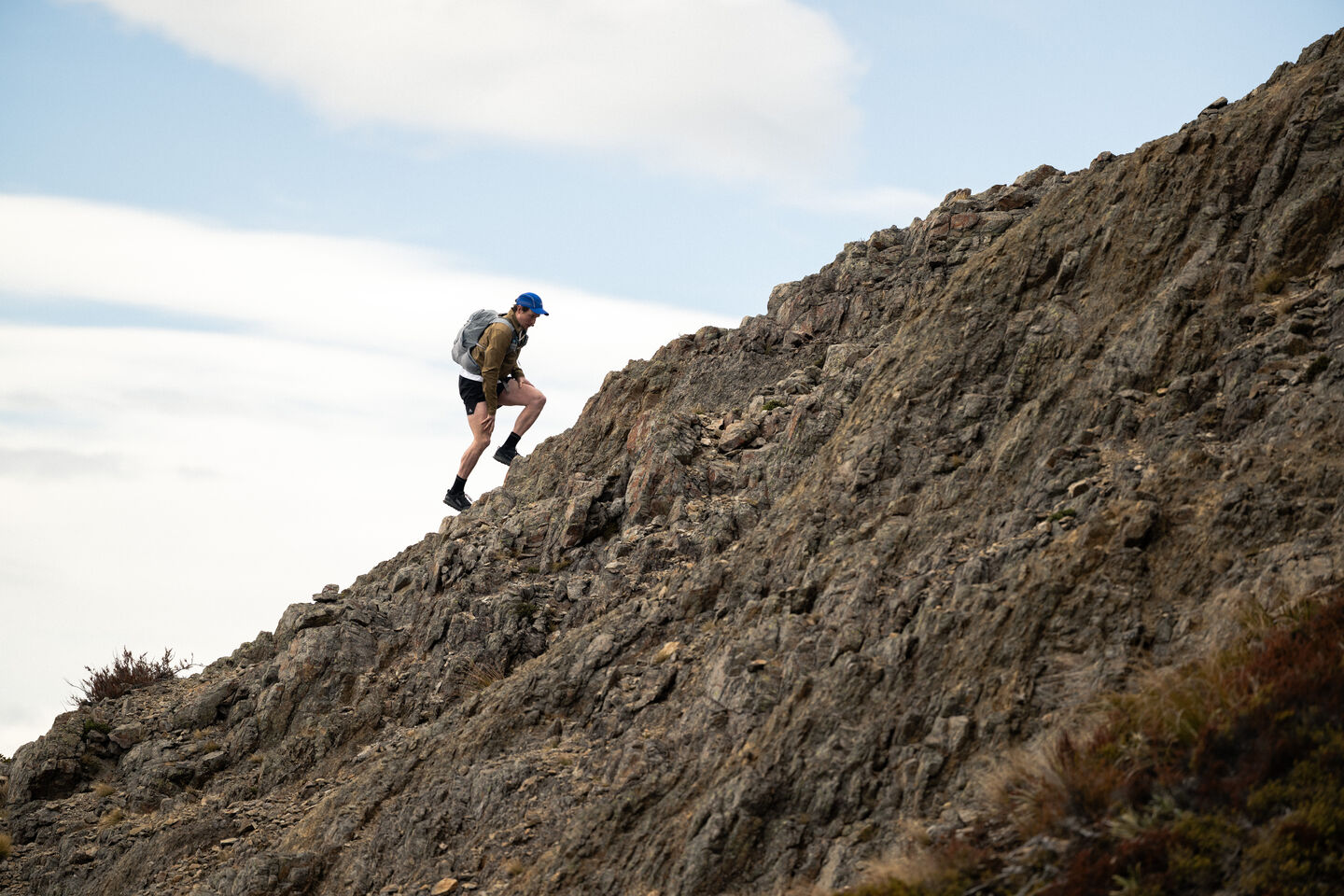
Track Conditions – Different trail running conditions require different footwear and clothing choices. If you’re rock-hopping, scrambling on scree, or crossing streams, consider reinforced or waterproof footwear and clothing that can take a hit or two.
Elevation – If you’re going alpine, you could be exposed to rapidly changing temperatures and weather systems. If you’re heading up into the mountains, weather can change from a bluebird day to a storm in what feels like seconds, and you’d better be prepared! If it’s freezing, you might need a light insulation layer, a waterproof shell, and moisture wicking clothing. For more on how to layer these most effectively, check out our blog on how to layer for cold weather.
Weather Forecast – Keep an eye on the forecast. Your trail running clothes should be able to protect you from any wild weather while keeping you comfortable. Going to be a scorcher? Wear light and breathable layers that’ll move with you as you tackle the heat. Cold & wet? Take some extra layers (including a lightweight shell) to protect you from the elements as you do battle with the trail.
PRO TIP: Remember, your local weather forecast is not the same as a mountain forecast, so check both!
Ready to hit the trail?
Now you know how to choose the best trail running clothes and gear, you’re ready to pick a route.
Investing in reliable trail running shoes, trail running clothing and weather protection will help you tackle everything from short local runs to demanding alpine adventures. As you gain experience, you’ll develop your own preferences, but a foundation of reliable layers and footwear will set you up for success on the trail.
There’s plenty to sort before your next trail running excursion, and we’d love to get you kitted up with Macpac trail running gear before you go.
And remember, as easy as it is to get caught up in the wonderful world of gear, start simple and focus on what matters most: enjoying the trail.
FAQs
What are the best shoes for trail running?
The best trail running shoes are the ones that match the terrain you run on and feel comfortable over the distance you cover. Look for trail running shoes with reliable grip, enough cushioning for your preferred running style, and a secure fit that keeps your feet stable on uneven ground. If you regularly run on muddy, rocky or technical trails, prioritise traction and protection, while runners tackling longer distances may prefer additional cushioning and support.
Can you wear road running shoes on trails?
Road running shoes may work on smooth gravel paths, but trail running shoes generally provide better grip, stability and protection on uneven terrain.
What is the best fabric for trail running?
Merino wool and technical synthetic fabrics are popular options because they manage moisture effectively and help regulate body temperature.
Should I wear a waterproof jacket trail running?
If there's any chance of rain, strong wind or rapidly changing weather, carrying a lightweight waterproof jacket is often a good idea, especially on longer runs or exposed trails.