Learning how to layer for winter weather isn’t about finding the ‘warmest’ jacket, it’s about wearing the right layering system.
So, when you’re hiking, travelling, or dealing with cold winter weather, learning how to layer for winter with a simple three-layer clothing system will keep you dry, warm, and comfortable.
At Macpac, we design layering systems for real conditions. Here’s how to build a winter layering system that works, from skin to shell.
Why Layering in Winter Matters
When heading out on an adventure, layering your clothing is how you battle the freezing winter temperatures, and keep yourself comfortable, dry and warm. This is especially important on longer trips!
The Three-Layer System, Explained
What to wear during winter in New Zealand?
In New Zealand, where four seasons in a day isn’t an exaggeration, layers work best when they’re treated as a system: a base, a mid and an outer, each doing a specific job. When one layer fails, the whole system struggles, which is why choosing the right combination matters more than any single piece.

Step 1: Base Layers
Purpose: Managing moisture and regulating temperature next to skin.
Your base layer, sometimes called a thermal, is the most important layer in winter.
Movement creates moisture. And if that sweat sticks to your skin, you’ll cool down real fast. A good base layer should pull that moisture away, and let it evaporate (moisture wicking), regulating your body temperature for a dry and comfortable adventure.
While merino and polyester each have their benefits, certain adventures call for certain layers. Merino base layers are famous for their insulating qualities (even when wet!) , and they have a natural resistance to odour, while polyester base layers excel as ‘quick-dry’ layers; they don’t hold water, making them ideal for high-output activities. Don't know which one to choose? Check out our handy thermal guide!
LOOK FOR:
- Moisture wicking
- Snug fit
AVOID:
- Cotton (wet and stinky)
A good base layer is the foundation of your layering system, managing moisture and regulating your temperature. So, it’s important to get right! Learn how to choose the right base layer for your winter conditions.
Step 2: Mid Layers
Purpose: Trapping and retaining body heat.
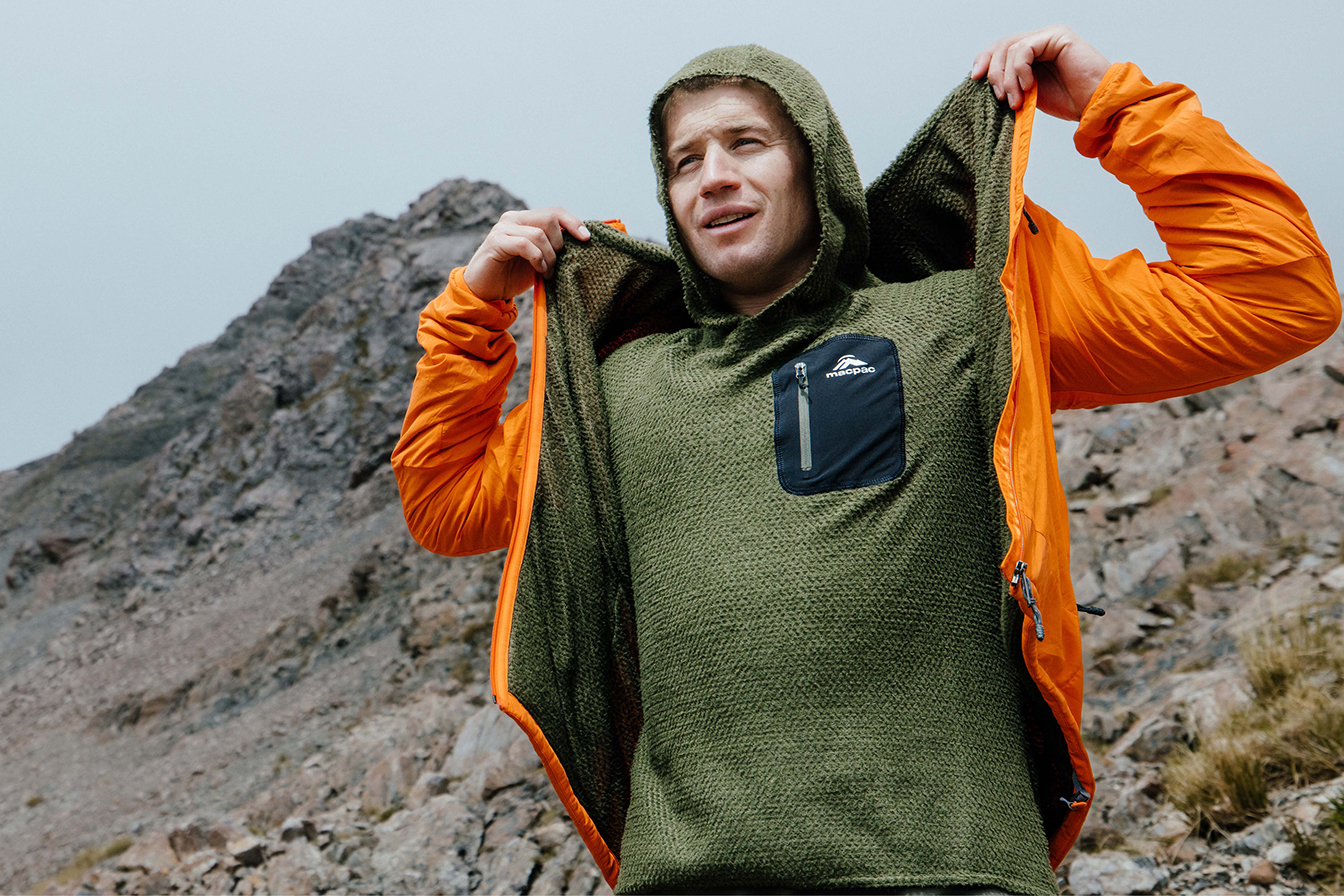
Once moisture is managed by your base layer, insulation is what keeps you warm. In harsh weather, mid layers work together with the outer layer to lock heat in, trapping body heat to create a warm buffer between you and the cold winter temperatures.
Warmth without weight is what matters most. Many mid layers use fleece, wool, or lightweight, breathable insulation such as down or PrimaLoft® to hold heat. In fact, a breathable, lightweight puffer jacket (see the Uber Light range) is perfect as a mid layer.
Choosing a mid layer that’s highly compressible makes it easy to adjust as temperatures rise and fall throughout the day.
LOOK FOR:
- Warmth without excessive weight
- Polyester fleece, lightweight down or breathable synthetic layers
Unsure of what's right for your adventure? Check out our guide on how to choose a fleece mid layer.
Step 3: Outer or Shell Layers
Purpose: Protection from wind, rain, and snow.
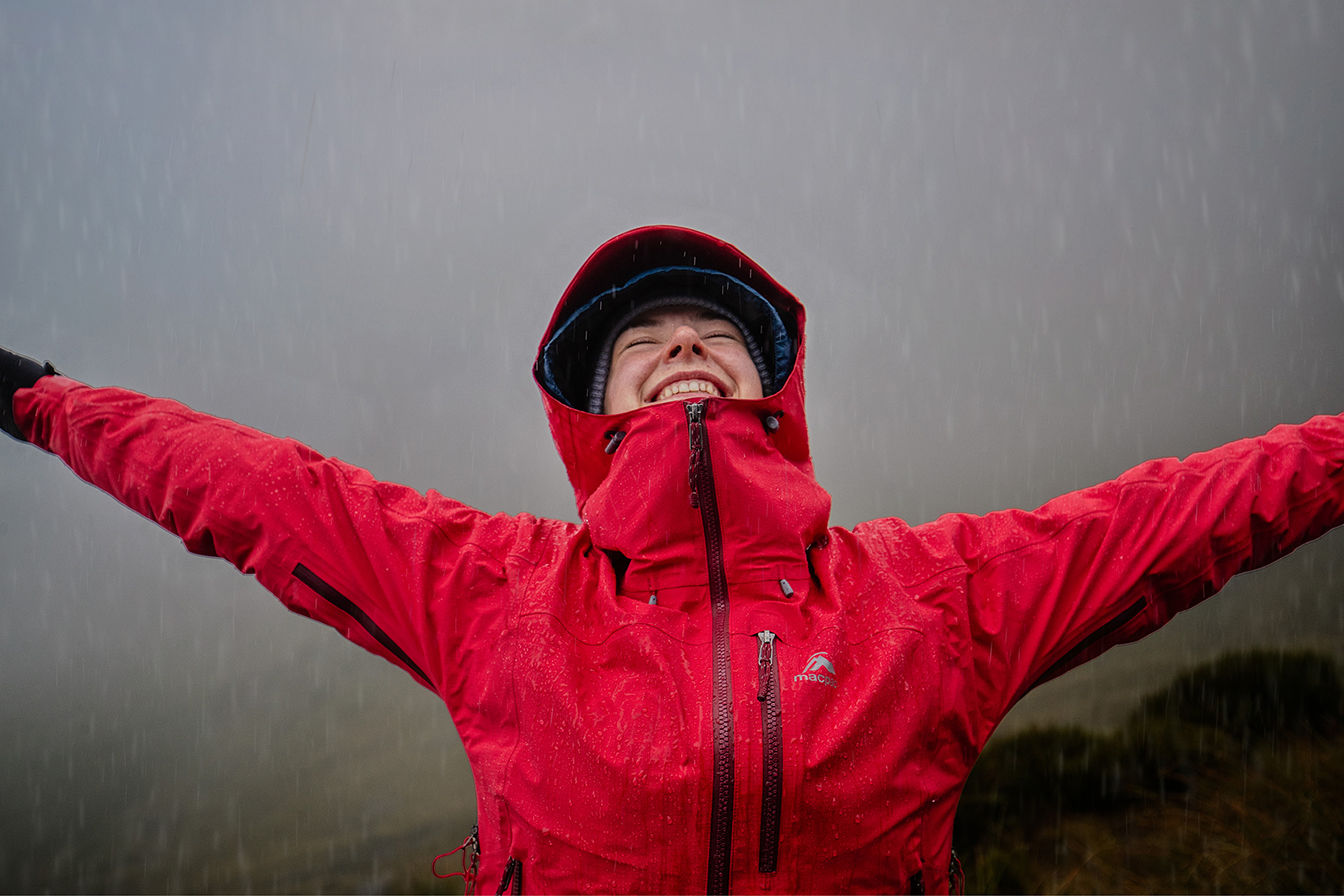
Essential for winter, outer layers shield you from cold wind, rain, sleet, and snow, all of which quickly drain your body heat and cause fatigue.
A winter outer layer should be windproof and waterproof / water resistant, with enough room to fit over your insulating mid layer. Wind’s often the biggest contributor to heat loss, which is why windproofing matters even on dry days.
It’s also important for outer layers to be breathable, even in cold weather, to prevent the build-up of moisture.
Note: The conditions will largely shape your choice of outer layer. Some adventures might require a down or synthetic insulated outer layer, paired with a fleece mid layer to capitalise on warmth. For more help with this, check out How To Choose A Puffer Jacket.
LOOK FOR:
- Durable outer materials
- Breathable fabric
- Sealed seams
- Water repellent finish
Choosing Layers in New Zealand
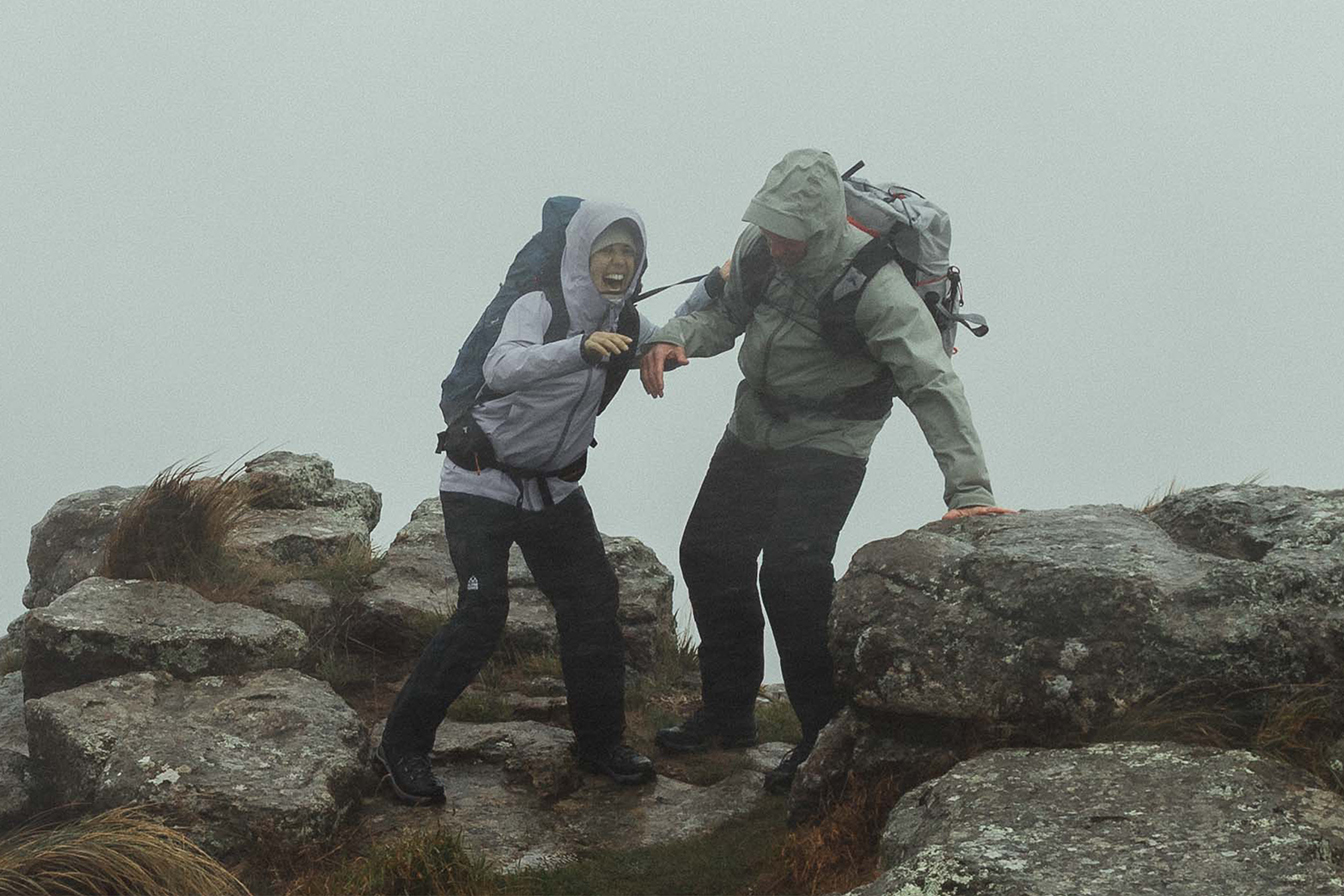
New Zealand’s weather is known to change quickly. Strong winds, cold air, and damp conditions often arrive without warning, especially in alpine regions. These sudden shifts make adaptable layering important.
- Start with a reliable base layer to manage moisture, as getting wet in NZ’s winter conditions can chill you fast.
- Your mid layer should provide warmth without restricting movement, and allow you to adjust as temperatures swing throughout the day.
- The outer layer should block wind and easily handle rain.
Remember, effective layering in New Zealand is less about extreme cold and more about staying dry, protected, and ready for rapid weather shifts.
Common Layering Mistakes in Winter
These are the mistakes we see most often in winter:
- Overdressing – wearing too many heavy layers will cause you to sweat, and once that moisture cools, it’ll strip heat from your body and make you pretty cold, pretty quick.
- Skipping the base layer – even the warmest outer layer can’t compensate for poor moisture management next to the skin.
- Relying on insulation – without an outer layer to protect you from wind and weather, you’ll be exposed to harsh conditions.
By building a simple three-layer system that works together, you can manage moisture, regulate body warmth, and protect yourself from the wind and weather. Learn how to layer well, and winter becomes something you adapt, and even look forward to, rather than something that holds you back.
Whether you’re heading outdoors for a day hike, travelling, or moving through everyday winter conditions, learning how to layer gives you the confidence to adventure better, and weather anything.
If you’re looking to build your winter kit, explore our range of winter base layers, insulating mid layers, and winter jackets to find a system that suits your conditions and the way you adventure.
FAQs
What’s the best way to layer clothing for winter?
The best way to layer for winter is to use a three‑layer system: a base layer to manage moisture, a mid layer to trap warmth, and an outer layer to protect you from wind and wet weather. This system allows you to add or remove layers as conditions change, keeping you warm, dry, and comfortable throughout the day.
What should you wear as a base layer in winter?
In winter, a base layer should be made from moisture‑wicking materials like merino wool or synthetic fabrics, like polyester. These fabrics pull sweat away from your skin, helping regulate body temperature and prevent heat loss. Cotton should be avoided, as it absorbs moisture and dries slowly, leaving you cold.
Find the perfect base layer for your adventure.
Do I need all three layers in winter?
Not always, but having all three available gives you the most flexibility. During high‑output activities, you might wear just a base layer and outer shell. In colder or more static conditions, adding a mid layer helps retain warmth. The key is adjusting your layers to match activity level, temperature, and weather.