Going hiking in New Zealand is on the top of many bucket-lists, and it’s no surprise: from the ancient canopy rainforests and glacier-carved fjords of Fiordland to the dramatic volcanic landscapes of Tongariro, we certainly earn our name as a hiker’s paradise.
Whether you’re planning a short day walk, a weekend tramp, or a multi-day hiking adventure, you’ll need to be prepared for anything.
Here’s a list of New Zealand hiking Tips to get your started, helping you to stay safe, comfortable, and prepared for the wonderful and wild world of hiking.
1. Use the DOC Website to Plan Your Hike
The Department of Conservation, more commonly known as DOC, is New Zealand’s conservation and environmental protection department, and luckily for hikers everywhere, they’re a wealth of knowledge for all things hiking.
You’ll find information about your planned route, including any areas affected by flood, avalanche, and pest control/animal & insect populations. These alerts will often be shown at the top of a track or area page, and they’re worth taking a minute to read. It’s better to be in the know before your trip so you can pack the spare pair of dry socks and insect repellent, rather than get halfway and wish you had.
So, when you’re planning your day walk, overnight tramp or Great Walk, use the DOC website to research the track type, study the topo map, and gain an insight as to what you might encounter on your trip.
2. Pack for New Zealand’s Unpredictable Weather
New Zealand is beautiful, but it’s also bold. You’ll be up against unpredictable weather, and it’s common to set off in scorching sunshine and finish the day by racing to the hut in a downpour. Although four seasons in a day is part of the charm, it’s a reminder to not take the outdoors lightly.
Weather forecasts are a great tool for planning which pieces of gear to take or leave behind, but remember: ‘weather forecast’ is not the same as a ‘mountain forecast’. In areas of high elevation, rugged terrains create their own, extreme, localised microclimates that broader regional models miss. We’re talking low temperatures, wind speeds, and rainfall, all of which can change rapidly over short distances.
Certain times of year can also see sandfly or wasp populations become more active, and you only need to be swarmed once to become a lifelong believer in insect repellent. Make sure to do your research about the area you’re heading into before you get there.
Another must for any hiking adventure in New Zealand is sunscreen (especially in summer!). The ozone layer over New Zealand thins during summer (due to wind patterns that push ozone-poor air masses up from the Antarctic ozone hole), and it’s easy to burn your skin in a matter of minutes. If you’re hiking on exposed tracks or in areas that duck in and out of bush coverage, using sunscreen (in combination with a wide brimmed hat and a long sleeved, collared shirt!) will help to protect you from UV rays. Sunscreen’s one of those hiking essential that you won’t want to forget.
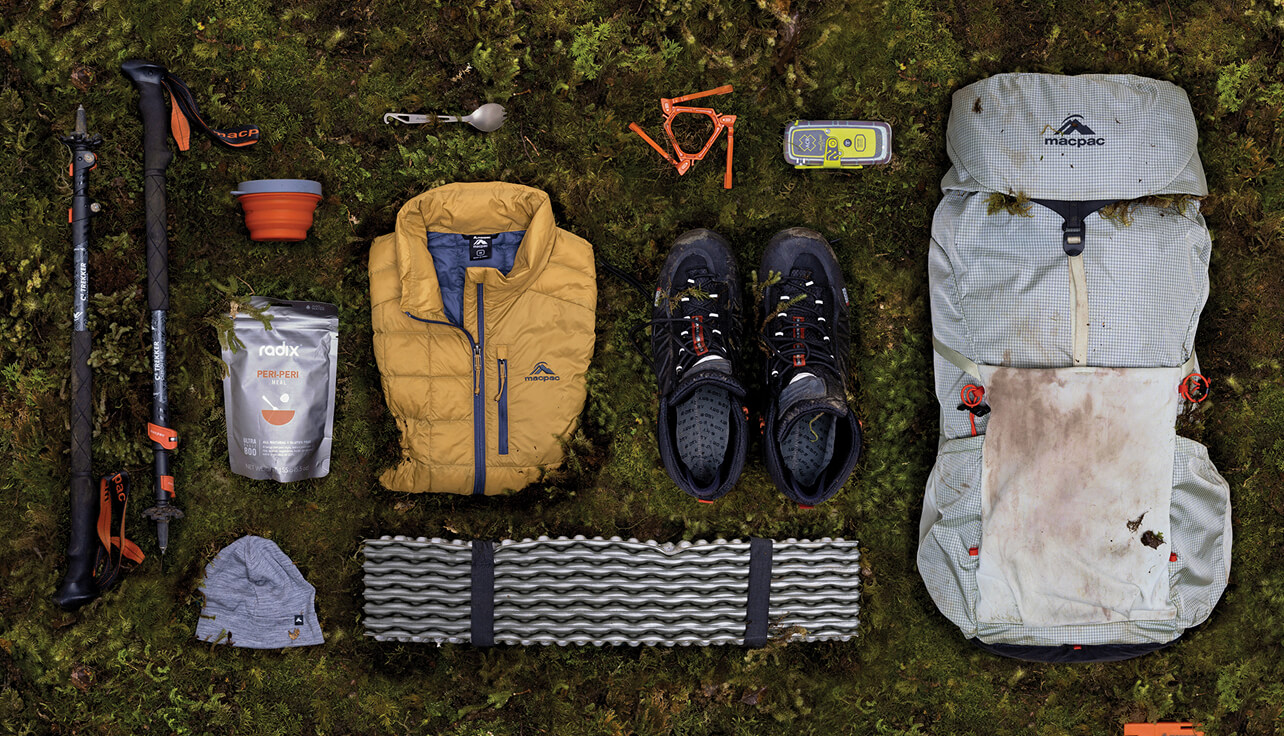
When the weather does turn and you’re in the thick of it, that’s where real good gear comes in. You’ll need to be prepared to weather anything, and that means packing thermals, solid footwear, and planning your meals in advance.
Use our hiking packing list to help you choose what to take on your hike, and if you’re planning a winter mish, check out our guide for how to layer for the freezing temps.
3. Carry a PLB for Backcountry Hiking
A PLB, or Personal Locator Beacon, is one of the most important hiking safety items you can take if you’re heading into New Zealand’s backcountry. Cell service can be limited, and in an emergency, you want to be sure your call for help is heard. A PLB uses GPS technology to pinpoint your location for search and rescue services, and it might just save your life if you get into strife. You can rent PLBs in Macpac stores across New Zealand, making them an easy safety item to add to your hiking checklist.
4. Fit Your Hiking Backpack Before You Go
Hiking should be peaceful, not painful. Fitting your pack properly is a step that many people miss, but there’s nothing worse than struggling to get your pack comfortable while you’re hiking. It can be a bit of an art form, but everything you need to know you can find on our How to Fit a Backpack blog. If you’re still stuck, feel free to bring your Macpac pack to visit us in-store for a free pack fitting.
5. Watch the River Levels
Rivers in New Zealand are one of the most underestimated hazards you’ll find blocking your path. Unlike many hiking destinations overseas, plenty of backcountry routes involve unbridged stream and river crossings, and conditions can change surprisingly quickly after rain. A river that looks calm in the morning can become dangerous in a matter of hours if there’s heavy rainfall or snow melt, even if the weather looks fine to you. Before leaving on your adventure, check the track details to note any crossings and alerts, and keep an eye on the weather forecast as you walk. It’s never too late to turn back, and playing the hero won’t work here. Above anything, remember the golden rule of water safety: If in doubt, stay out.
For more on river safety in New Zealand, have a read through the New Zealand Mountain Safety Council’s guide on How to Cross Safely.
6. Check Mountain Safety Council Resources
Speaking of our friends at the New Zealand Mountain Safety Council, they know a good thing or two about staying safe in the outdoors. They’re a non-for-profit national organisation who’ve been hard at work for more than 50 years, and they offer some excellent tools to help plan your hike. You can check out NZMSC’s Plan My Walk platform to get a clearer picture of what to expect before you leave. Track alerts, route details, and safety advice, it’s a handy place to grab info while planning for your next adventure.
7. Understand DOC Huts, Passes and Bookings
Depending on the DOC hut, you'll need either a booking, a hut ticket, or a Backcountry Hut Pass to stay overnight. Some sites will also require a ticket if you plan to tent near the hut. You can book them through DOC visitor centres, or grab a hut ticket from Macpac, online and in-store in New Zealand.
Staying in huts is good fun, and there’s a few things to know:
7A: Backcountry Hut Etiquette
Just like a home, huts have some (usually) unspoken rules that you should keep in mind while staying. Be considerate of others, be self-sufficient, boil water if you’re unsure, and remember to keep a window open while cooking with gas.
Have a look at the Hut Users Code on the Department of Conservation website for more tips and information about staying in backcountry huts.
7B: Bring your own Gas Bottle & Stove
Though some backcountry huts have become a bit flash in recent years, only a fraction of the 950 odd public huts are manned by hut wardens, and even then some only seasonally. Great Walk Huts during peak-season excepted, you’ll have to provide your own gas bottle and cooker/stove. Your hiking party will much prefer a cooked meal than a can of baked beans, so make sure cooking fuel is not left off your packing list!
7C: Take hut shoes
It’s pretty easy to overlook, but once you’ve finished your long day of walking you’ll be no doubt itching to get your boots off. Bare feet in New Zealand is a pretty common sight, but huts can have cold and sometimes grubby floors that you’ll want to keep your feet from. They don’t have to be flash, a pair of old jandals will do!
8. Leave Your Intentions
Telling someone your plans (also known as ‘leaving your intentions’) is an important step in your hike preparation. Take a few minutes to inform your emergency contact of your intended route, names and contact details of your party, transport details and date of return before you go, because getting home to your loved ones safe is just as important as the adventure itself.
9. Start Early and Allow Extra Time
Whether you’re tackling a day walk or a multi-day adventure, completing New Zealand’s tracks can often take longer than you expect. River crossings, muddy sections, weather changes, photo stops, and simply taking in the views can all add time to your day. Getting an early start gives you flexibility if conditions change or if the sun starts sinking before you’re back at the trailhead.
10. Pack Enough Food and Water
You can’t hike if there’s no fuel in the tank. Even shorter walks can be surprisingly demanding, so make sure to pack enough water and energy-rich snacks to keep you going throughout the day. For longer adventures, plan your meals in advance and consider lightweight hiking foods that are easy to carry and prepare. A well-fed hiker is a happy hiker!
Ready for Your Next Hiking Adventure?
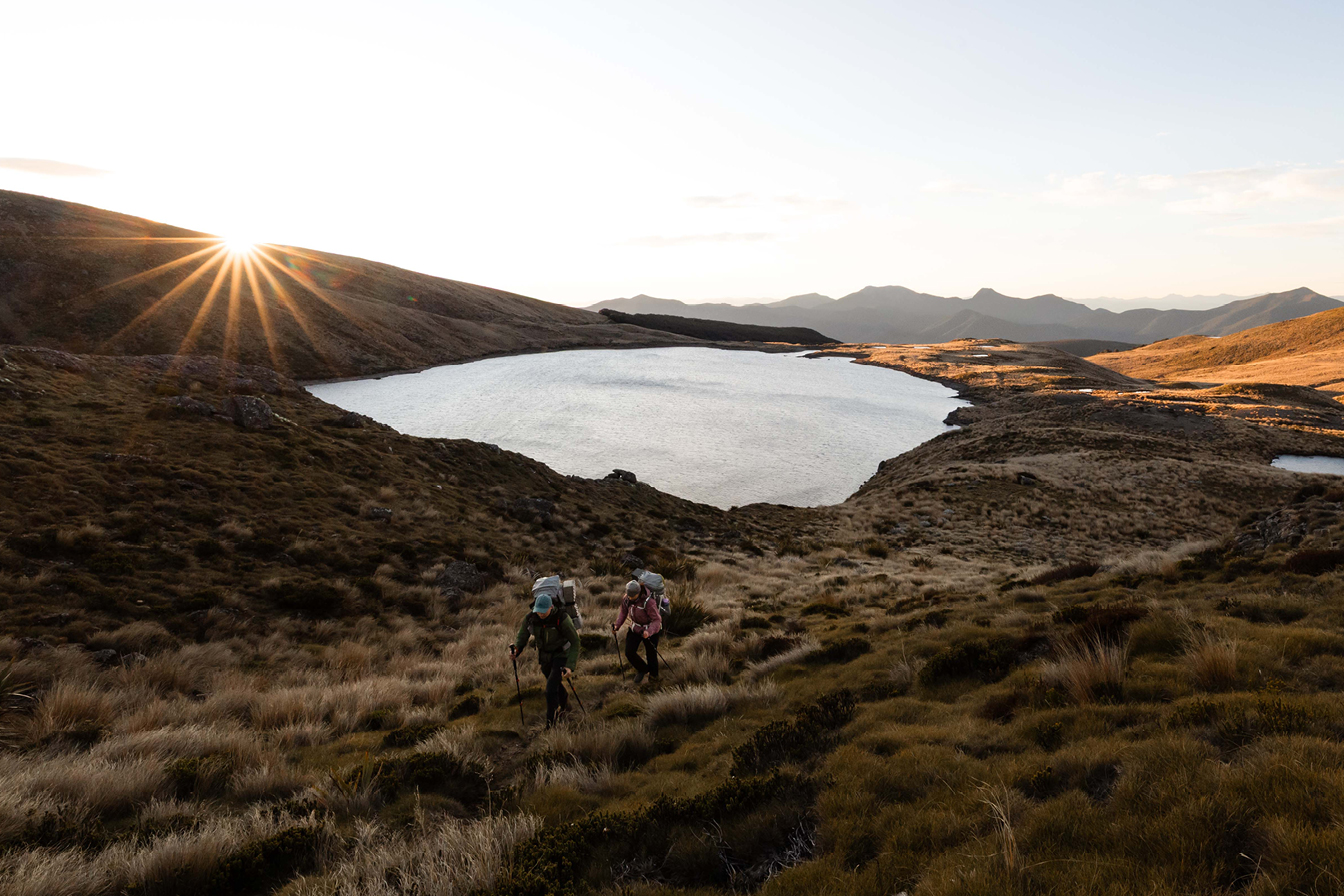
New Zealand offers some of the world's best hiking experiences, from short local walks to iconic Great Walks and multi-day backcountry adventures. By planning ahead, carrying the right hiking gear, checking track conditions, and following outdoor safety advice, you'll be ready to enjoy everything the country’s backcountry have to offer.
If you’re after a backpack fitting, hiking gear, a hut ticket, or looking to hire PLB, your local Macpac store can get you prepared. You can also check out our gear guides for more in-depth adventuring tips.